Brand Audit Exposes The Coca-Cola Company as Top Plastic Polluter in Evboneka Community
By Isaac Eranga
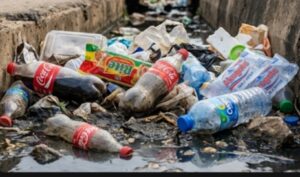
In the quiet community of Evboneka, located within the Ovia North-East Local Government Area of Edo State, a quiet crisis has been unfolding. Like many semi-urban and rural Nigerian communities, Evboneka has long battled the visual and ecological blight of littered roadsides, clogged drainages, and makeshift burn piles. However, a recent rigorous scientific intervention has shifted the narrative entirely—moving the conversation away from merely blaming local residents for littering, and toward holding global and domestic manufacturing giants accountable.
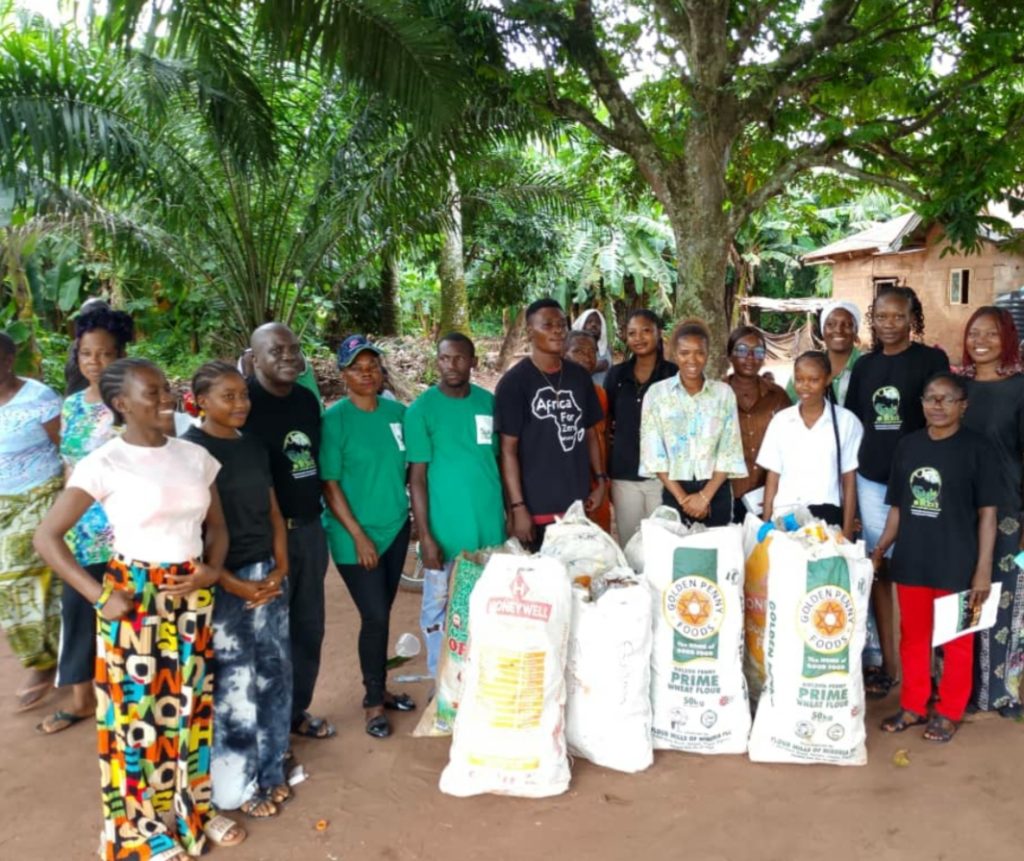
The Ebvoneka Community Waste and Brand Audit, conducted by the Sustainable Environment Development Initiative (SEDI) under the auspices of the Global Alliance for Incinerator Alternatives (GAIA), deployed a team of community volunteers and local waste monitors for a comprehensive 7-day sweep. Their mission: to collect, segregate, classify, and trace 16.85 kg of discarded plastic waste back to its corporate origins using international Break Free from Plastic (BFFP) guidelines.
The findings are stark, revealing a heavy corporate footprint dominated by single-use beverage containers.
The Dominance of Beverage Plastics
The audit first categorized the recovered waste by resin type to understand local recycling capabilities. The results showed that standard beverage packaging heavily outpaces domestic or industrial plastic waste:
Polyethylene Terephthalate (PET): Accounted for 69% of the waste stream (primarily soft drinks, energy drinks, and bottled water containers).
High-Density Polyethylene (HDPE): Accounted for 31% of the waste stream (detergent containers, herbicide cans, and jerrycans).
Brand Audit Results: Tracing the Top Polluters
When volunteers isolated plastic items with visible, identifiable corporate branding, a clear hierarchy of environmental pollution emerged. Multinational and major domestic beverage companies accounted for the vast majority of the waste recovered by both count and total weight.
Plain Text Breakdown of Corporate Plastic Contributions
The Coca-Cola Company: 256 plastic items | Type: PET | Weight: 6.60 kg
Akogate Groups Limited: 79 plastic items | Type: PET | Weight: 1.80 kg
Seven-Up Bottling Company: 70 plastic items | Type: PET | Weight: 1.60 kg
Cway Limited: 41 plastic items | Type: PET | Weight: 1.20 kg
American Cola: 54 plastic items | Type: PET | Weight: 1.00 kg
Monster Energy: 41 plastic items | Type: PET | Weight: 1.00 kg
Fresh Yoghurt: 13 plastic items | Type: HDPE | Weight: 0.90 kg
Mobil Super: 4 plastic items | Type: HDPE | Weight: 0.80 kg
Intercontinental Distillers Limited: 13 plastic items | Type: HDPE | Weight: 0.65 kg
Maltina Limited: 12 plastic items | Type: PET | Weight: 0.60 kg
Rite Foods Limited: 17 plastic items | Type: PET | Weight: 0.40 kg
Roundup Herbicide: 1 plastic item | Type: HDPE | Weight: 0.20 kg
Nestle Pure Life: 2 plastic items | Type: PET | Weight: 0.10 kg
Coca-Cola Identified as the Largest Contributor
The definitive takeaway from the SEDI brand audit is that The Coca-Cola Company is the largest contributor of plastic waste in the Evboneka community.
Recording approximately 260 pieces (256 cataloged directly) weighing a massive 6.60 kg, Coca-Cola alone accounts for roughly 39% of the total plastic weight collected during the audit. When combined with domestic giants Akogate Groups Limited and Seven-Up Bottling Company, these top three corporations represent the overwhelming majority of branded plastic leaking into Evboneka’s ecosystem. This reflects a global trend where high-volume, hyper-local single-use plastic consumption clashes with inadequate rural waste management.
Challenges on the Ground: Systemic and Manual
The audit highlighted deep structural challenges within Ovia North-East LGA:
Absence of Municipal Infrastructure: Evboneka entirely lacks a formal, routine plastic management collection system, forcing residents to resort to indiscriminate dumping in drainage channels, open fields, and open-air burning.
The Infrastructure-Awareness Gap: While community sensitization efforts (such as interactive “Town Hall” info-sessions and door-to-door walks) successfully shifted public perspective toward corporate accountability, education is stifled by a lack of infrastructure. Training households to separate waste is ineffective if private or municipal waste trucks ultimately dump segregated bags back into unmanaged landfills.
Sorting Fatigue: Manually segregating, cleaning, and cataloging highly contaminated plastic waste over short windows strained volunteer energy and demonstrated the intensive labor required for local recycling.
The Path Forward: Recommendations and Action Plans
Data drives local accountability. By transforming visual environmental damage into localized metrics, SEDI and GAIA have provided Evboneka’s community leaders with the leverage needed to demand systemic changes.
To achieve a long-term impact on plastic waste management, priority must be given to interventions targeting the top-contributing brands through a multi-tiered action plan:
1. For Local Businesses and Community Members
Bulk Dispensing & Material Recovery: Neighborhood stalls are encouraged to adopt bulk dispensing models where customers bring reusable containers. Concurrently, a market-led coalition should fund a centralized collection kiosk for PET and clean nylon packaging to sell bulk plastics back to regional recyclers.
Household Source Segregation: Implementing a “two-bag system” (separating organic kitchen waste from dry recyclables like PET bottles and metal cans), supported by volunteer community “Drainage Wardens” to monitor critical gutter routes and prevent seasonal flooding.
Incentive-Based Frameworks: Moving beyond awareness to introduce waste-to-wealth off-take programs, giving residents immediate economic or communal benefits for recycling.
2. Policy Recommendations for Government and Relevant Authorities
Enforcing Extended Producer Responsibility (EPR): SEDI recommends that the Edo State Ministry of Environment and the National Environmental Standards and Regulations Enforcement Agency (NESREA) leverage this audit data to enforce strict EPR compliance. This would legally obligate top-tier packaging corporations—led by The Coca-Cola Company—to co-fund community recycling hubs and materials recovery facilities (MRFs).
Eco-Incentives and Sorting Facilities: The Edo State Government should invest in decentralized sorting facilities across local government areas to sort and bale plastic resources efficiently. Additionally, offering market-stall fee rebates or micro-tax holidays to small vendors transitioning away from single-use plastics can drive grass-roots compliance.
By moving the burden of plastic pollution from vulnerable communities to the corporations introducing these materials into the market, Evboneka can pave the way for sustainable environmental development across Edo State.