The Silent Threat: How Methane is Devastating Nigerian Lives, Livelihoods, and Public Health
By Eranga Isaac
Across the vast landscape of Nigeria—from the flare-studded horizons of the Niger Delta to the sprawling, unmanaged landfills of urban hubs like Lagos and Kano—an invisible threat is silently laying waste to human health and agricultural productivity. Environmental advocates have raised a stark alarm over this escalating crisis: “Methane consumption and exposure have done a lot of damage to Nigerians,” warns the Sustainable Environment Development Initiative (SEDI), an environmental non-governmental organization.
Though often overshadowed by the visible soot and thick black smoke of burning oil or refuse, methane is quietly undermining the nation’s physical and economic well-being.
What is Methane?
Methane (\text{CH}_4) is a colorless, odorless, and highly flammable chemical compound composed of one carbon atom bonded to four hydrogen atoms. It is the primary component of natural gas.
While it lacks a distinct smell in its pure form, methane is a potent greenhouse gas with a global warming potential over 80 times greater than carbon dioxide (CO2) over a 20-year period. When released alongside industrial byproducts, it frequently mixes with toxic volatile organic compounds (VOCs) like benzene, toluene, and hydrogen sulfide, turning simple atmospheric exposure into a hazardous chemical cocktail.
The Exposure of Nigerians to Methane
Nigerians are exposed to high concentrations of methane through three main environmental channels:
- Oil and Gas Infrastructure: In the Niger Delta, persistent gas flaring, unlit flare stacks (which vent raw gas directly), leaky pipelines, and well pads release over 400 kilotons of methane annually into host communities.
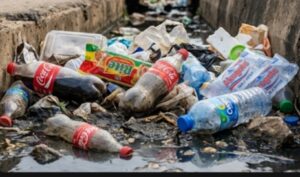
- Decomposing Urban Waste: Open, unmanaged landfills and refuse dumps in rapidly growing cities continuously generate methane through the anaerobic decomposition of organic waste.
- Agricultural Operations: Extensive enteric fermentation from livestock and flooded, anaerobic rice paddies contribute nearly half of the nation’s total methane footprint.
When methane enters the lower atmosphere, it reacts with sunlight to produce ground-level (tropospheric) ozone—a severe secondary air pollutant that damages human respiratory systems and corrodes crop tissues.
The Human Toll: Mortality and Health Impact
While precise direct deaths from pure methane gas are rarely cataloged individually due to its indirect path of harm, methane pollution and its associated toxic compounds contribute to thousands of premature deaths in Nigeria every year across key domains:
- Respiratory & Cardiac Health: Methane pollution triggers chronic bronchitis, worsens asthma symptoms, and stunts lung development, hitting children under 5 and elderly urban residents hardest.
- Toxic Chemical Exposure: Hazardous co-pollutants released with methane elevate rates of cancer, neurological damage, and congenital birth defects among communities living near Niger Delta gas flares.
- Depressed Life Expectancy: Prolonged chemical exposure drains years from regional lifespans, pushing average life expectancy below 45 years in heavily impacted oil-producing zones of Bayelsa and Delta States.
- Nutrition & Food Security: Ground-level ozone formed by methane damages vital staple crops like cassava, maize, and yam, shrinking harvest yields and fueling acute malnutrition across rural farming communities in Benue, North-Central, and South-South Nigeria.
Lifestyles That Expose Us to Methane
The vulnerability of millions of everyday Nigerians to methane risk is tied to widespread daily habits and structural practices:
- Unsorted Municipal Household Waste: Throwing food scraps, garden waste, and organic material into mixed trash bins causes anaerobic rotting in landfills, maximizing urban methane generation.
- Traditional Livestock Management: Reliance on traditional cattle rearing without optimized feed formulations or modern manure management systems keeps enteric fermentation emissions high.
- Continuous-Flooding Agriculture: Traditional rice farming techniques that keep fields continuously submerged create ideal conditions for methane-producing bacteria.
- Domestic Reliance on Dirty Fuels: Burning wood, charcoal, or poorly refined fuels in poorly ventilated kitchens exposes families to hazardous carbon compounds and respiratory hazards daily.
The Efforts of SEDI in Mitigating Methane
The Sustainable Environment Development Initiative (SEDI) has been working to address these systemic challenges through community-centered action:
- Zero-Waste Advocacy & Organics Diversion: SEDI promotes source separation of organic waste at the household and community levels to prevent biodegradable material from reaching landfills.
- Capacity Building for Waste Pickers: Training and empowering waste-picker groups to enhance resource recovery, transforming organic waste into nutrient-rich compost instead of methane emissions.
- Policy Mobilization: Advocating for institutional frameworks that support circular economy practices, waste reduction, and methane mitigation policies across local governments.
- Youth and Women Empowerment: Conducting educational campaigns to build grassroots resilience and promote clean household practices.
Recommendations to Combat the Methane Crisis
To protect public health, secure agriculture, and meet national climate commitments, coordinated action is required across multiple sectors:
- Enforce Zero-Routine Flaring Regulations: Government regulatory agencies (such as NOSDRA and NUPRC) must strictly enforce gas-capture mandates, penalty structures, and leak detection protocols for oil operators.
- Establish Municipal Composting Frameworks: State and local government councils should implement widespread organic waste separation programs, channeling bio-degradables into commercial composting facilities.
- Adopt Climate-Smart Agricultural Practices: Train farmers on Alternate Wetting and Drying (AWD) techniques for rice paddies and introduce dietary supplements for livestock to reduce enteric emissions.
- Expand Community Health and Environmental Monitoring: Deploy localized air quality monitoring networks in gas-flaring host communities to track ground-level ozone and toxic VOC levels in real time.