Why Indigenous Peoples Plans Are the Key to Nigeria’s Sustainable Future
By Isaac Eranga, I-SSCP
The United Nations Declaration on the Rights of Indigenous Peoples (UNDRIP) affirms a fundamental truth: indigenous peoples have the right to the lands, territories, and resources they have traditionally owned, occupied, or used. Yet globally, a massive chasm persists between the lofty human rights frameworks declared in international halls and the realities of communities living on the front lines of development.
At the intersection of this struggle lies a vital, often-overlooked instrument of modern environmental and social governance: the Indigenous Peoples Plan (IPP). When executed correctly, an IPP is more than a bureaucratic checkbox; it is a critical safeguard of self-determination and cultural survival. In Nigeria—a nation rich in cultural diversity but heavily burdened by resource-driven conflicts—the operationalization of these plans is fast becoming the ultimate litmus test for sustainable development.
Understanding the Blueprint: What is an Indigenous Peoples Plan?
Large-scale developmental projects—whether they involve infrastructure, renewable energy, mining, or agriculture—inevitably alter the physical and social landscapes of the areas they occupy. For indigenous and traditional communities, whose livelihoods, ancestral heritage, and identities are deeply tied to their lands, these disruptions can be catastrophic.
An Indigenous Peoples Plan (IPP) is a legally binding, time-bound framework designed to ensure that development projects avoid, minimize, or mitigate adverse impacts on indigenous communities. Grounded in the principle of Free, Prior, and Informed Consent (FPIC), an IPP is co-created with the affected communities to guarantee that they are actively consulted, receive equitable benefits, and retain control over their heritage.
Core Pillars of an Effective IPP
- Cultural Preservation & Respect for Heritage: Ensuring development does not erode the unique social and cultural fabric of the community.
- Free, Prior, and Informed Consent (FPIC): Securing the community’s consensus before any project activities commence on their land.
- Socio-Economic Benefit-Sharing: Guaranteeing that local communities actively share in the economic upside of developmental projects.
- Robust Grievance Redress Mechanisms (GRMs): Establishing clear, accessible, and culturally appropriate channels to resolve disputes fairly.
Why IPPs Matter: The Price of Exclusion
The history of global development is littered with cautionary tales of projects that bypassed indigenous consent. When communities are sidelined, the results are rarely confined to social unrest; they lead to protracted legal battles, stranded corporate assets, environmental degradation, and severe human rights violations.
Two Paths of Development: Exclusion vs. Partnership
- The Exclusion Model (Without an IPP):
- Top-Down Decision Making: Decisions are imposed on communities without prior consultation.
- Cultural Erosion: Sacred sites are desecrated, and local languages or customs are ignored.
- Economic Dispossession: Communities bear the environmental costs while profits are exported.
- Conflict & Disruption: Protests, sabotage, and security crackdowns stall project timelines.
- The Partnership Model (With an IPP):
- Active Co-Design: Projects are adjusted based on traditional knowledge and community feedback.
- Preservation: Sacred landscapes are mapped and protected; cultural heritage is celebrated.
- Shared Prosperity: Local hiring, community trusts, and infrastructure development are integrated.
- Social License to Operate: Mutually agreed grievance mechanisms defuse tensions early.
The Nigerian Context: Diversity, Dispossession, and the Land Use Act
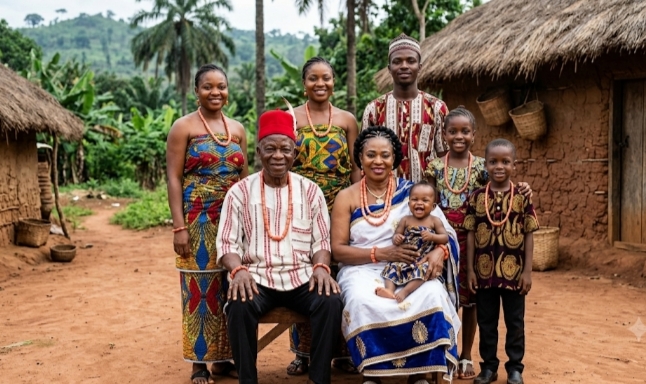
Nigeria is home to over 250 ethnic groups, many of whom satisfy the criteria of “indigenous and traditional peoples” due to their historical dependency on localized ecosystems. From the nomadic pastoralists of the Sahel to the fishing communities of the Niger Delta and the forest-dwelling groups in the Middle Belt, land is not merely an economic asset—it is a spiritual sanctuary.
However, implementing IPPs in Nigeria faces a formidable structural obstacle: The Land Use Act of 1978.
”Under the Land Use Act, all land within the territory of each state is vested in the Governor, who holds it in trust for the people. This legal framework effectively strips communities of absolute ownership, converting ancestral land rights into temporary occupancy rights.”
This statutory centralization often sets the government’s developmental agenda directly at odds with traditional land tenure systems. In resource-rich regions like the Niger Delta, decades of oil extraction without robust, community-led protection plans have led to systemic pollution, loss of livelihoods, and deep-seated conflict.
The Turning Tide: International Standards as a Catalyst
In recent years, the paradigm in Nigeria has begun to shift, driven largely by international financial institutions. Organizations like the World Bank (under its Environmental and Social Standard 7 on Indigenous Peoples/Sub-Saharan African Historically Underserved Traditional Local Communities) and the African Development Bank require the preparation of IPPs or comprehensive Community Development Plans as a strict condition for project financing.
Whether it is a renewable energy mini-grid project in the North or a massive agricultural transformation program in the South, project developers are being forced to sit at the table with local chiefs, youth leaders, and women’s groups.
Implementing IPPs in Nigeria: The Path Forward
For Nigeria to successfully implement Indigenous Peoples Plans and protect the rights of its traditional communities, several critical actions must be taken:
- Harmonizing Statutory and Customary Law: Nigeria must reform its land administration policies to formally recognize customary land tenure, giving communities stronger legal leverage when projects are planned on their territories.
- Institutionalizing FPIC: Free, Prior, and Informed Consent must be integrated into national environmental impact assessment (EIA) laws, rather than remaining a requirement insisted upon only by external lenders.
- Strengthening Grassroots Advocacy: Alliances like the West Africa Coalition for Indigenous Peoples’ Rights (WACIPR) must be supported to amplify the voices of marginalized groups, preserving local languages and cultural heritage in the process.
- Enforcing Grievance Redress: Every development initiative must feature accessible, language-appropriate, and independent dispute resolution pathways so that communities can air grievances without fear of reprisal.
The Final Verdict
The rights of indigenous peoples are not an obstacle to national progress; rather, they are the very foundation of sustainable development. As Nigeria navigates the complexities of the 21st century—balancing urgent industrialization with the existential realities of climate change—the Indigenous Peoples Plan stands as a vital bridge. By treating traditional communities not as passive victims of development, but as equal partners, Nigeria can secure both its economic future and its rich, irreplaceable cultural tapestry.
Dr. Isaac Omo-Ehiabhi Eranga is a Peace and Development Journalist and a Certified Social Standards Professional resident in Benin City, Edo State