In Okpebholo’s Edo. One account. 14 days. No excuses.
By John Mayaki
Edo has ordered its revenue-generating agencies into a single government account. Now comes the harder test: proving where the money has been.
For governments, reform is often announced in billions, kilometres and ribbon-cuttings. But some of the most consequential changes happen inside bank accounts.
Edo State has enacted the Revenue Consolidation Account (Establishment and Operation) Law, 2026, an attempt to change something less visible but fundamental to government: how public money is collected, held and accounted for.
The principle is straightforward. Ministries, departments and agencies that collect money on behalf of the state will no longer maintain separate revenue arrangements under which funds can remain scattered across government institutions. Revenue is to flow into a single approved government account.
But the most significant part of the law may be its deadline.
Fourteen days.
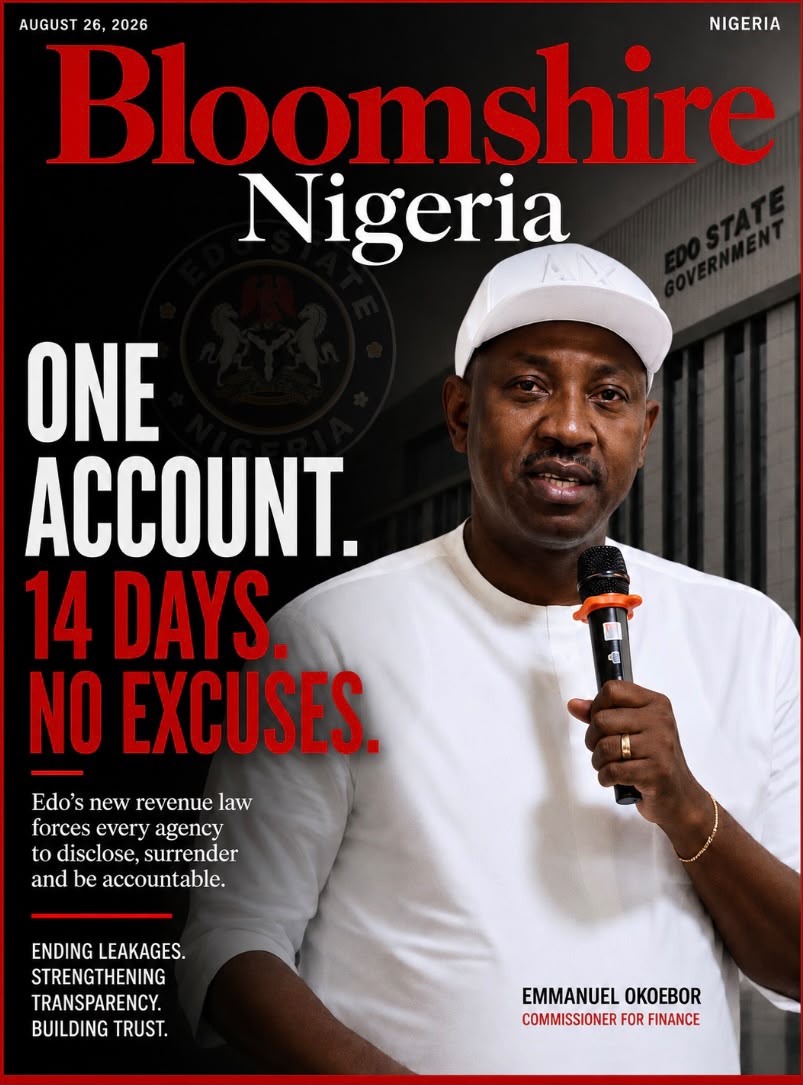
That is the period Commissioner for Finance Emmanuel Okoebor says affected MDAs and parastatals have been given to declare their existing revenue accounts, transfer the balances, close those accounts and submit their financial records and receipts dating back to January 1, 2025, for audit.
It amounts to more than consolidation. It creates an accounting moment.
The government is effectively asking its institutions three questions: What did you collect? Where is it? And can you account for it?
The answers will determine whether this becomes merely another financial-management law or a genuine break with fragmented public revenue collection.
That ambition matters.
When government revenue is dispersed across numerous accounts, oversight becomes harder. A central framework can give the state a clearer picture of what it actually earns, reduce opportunities for unauthorized retention and make reconciliation easier.
Yet centralization alone does not create transparency.
The real test will be enforcement.
Okoebor says heads of agencies and relevant financial officers will be responsible for compliance. That provision gives the reform teeth; at least on paper. Whether those teeth bite will depend on what happens after the 14-day deadline, particularly where accounts, balances or records do not reconcile.
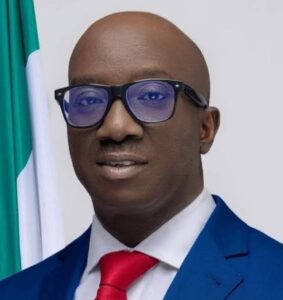
For Governor Monday Okpebholo, the law therefore presents both an opportunity and a test.
If implemented rigorously, Edo could gain something every government needs but few completely achieve: a clear line between money collected in the name of the public and money ultimately reaching the public treasury.
The legislation has established the rule.
Now Edo must follow the money.
Ending leakages. Strengthening transparency. Building trust. The Okpebholo fiscal governance strategy.