The Woman Who Sowed Sovereignty: How Wangari Maathai Planted 30 Million Trees and Shook a Dictatorship
In 1977, a Kenyan woman walked into the Ministry of Forests in Nairobi with a request that sounded more like a fantasy than a policy proposal: she wanted 15 million tree seedlings.
The director of the ministry laughed in her face. Viewing her request as entirely harmless and impossible to fulfill, he told her she could have as many as she wanted. He had no idea that within a year, he would have to withdraw the offer because the sheer, unstoppable demand she generated threatened to empty his nurseries.
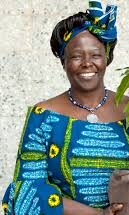
That woman was Dr. Wangari Maathai. What began as a simple grassroots effort to stop soil erosion and secure firewood for rural women transformed into the Green Belt Movement—an environmental and political revolution that planted over 30 million trees, challenged a brutal dictatorship, and ultimately made Maathai the first African woman to win the Nobel Peace Prize.
1. The Anatomy of a Crisis: Why Trees?
To understand Maathai’s obsession with trees, one must understand the struggle of the rural Kenyan woman in the 1970s.
As a veterinary anatomist—the first woman in East and Central Africa to earn a Ph.D.—Maathai was traveling through rural Kenya doing research.
She didn’t just look at livestock; she listened to the women who cared for them. They told her they had to walk further and further to find firewood. Their streams were drying up into muddy trickles. Their children were suffering from malnutrition because there was no clean water or fuel to cook nutritious meals.
The culprit was massive, systemic deforestation. Colonial and post-colonial cash-crop farming had stripped the highlands of their indigenous forests, replacing them with commercial eucalyptus and tea plantations. The soil was washing away into rivers.
Maathai’s genius lay in her ability to connect global ecological collapse to local kitchen-table issues.
“We cannot tire of explaining to the people that their prosperity is tied up with the environment,” she would later write.
Her solution was elegant, cheap, and radically simple: “Why not plant trees?”
2. “Foresters Without Diplomas”
Maathai did not wait for government grants or corporate sponsorships. Instead, she took her seedlings directly to rural women.
The early days were defined by trial and error. Professional foresters told Maathai that uneducated village women couldn’t possibly plant trees. They claimed it required specialized, academic training to nurse seedlings and ensure their survival.
Maathai ignored them. She taught the women to collect local seeds from nearby forests, dig deep holes, and use whatever containers they had—broken pots, tin cans—to nurture the seedlings. She called them “foresters without diplomas.”